
What is Cinematic Video
Cinematic video is not defined by a camera alone. It is the result of storytelling, visual choices, workflow decisions, and controlled use of gear. Modern technology has made cinematic tools accessible, affordable, and democratic — but cinema itself still begins much before the camera is turned on.
Cinematic video typically involves a combination of the following elements:
Creamy, shallow depth of field
Natural and pleasing skin tones
24 fps with a 180-degree shutter angle
Use of wide, mid, and close-up shots based on the story narrative
Dramatisation and romanticisation through music, lights, and colors
Cinematic quality comes from intentional visual storytelling, not presets or filters.
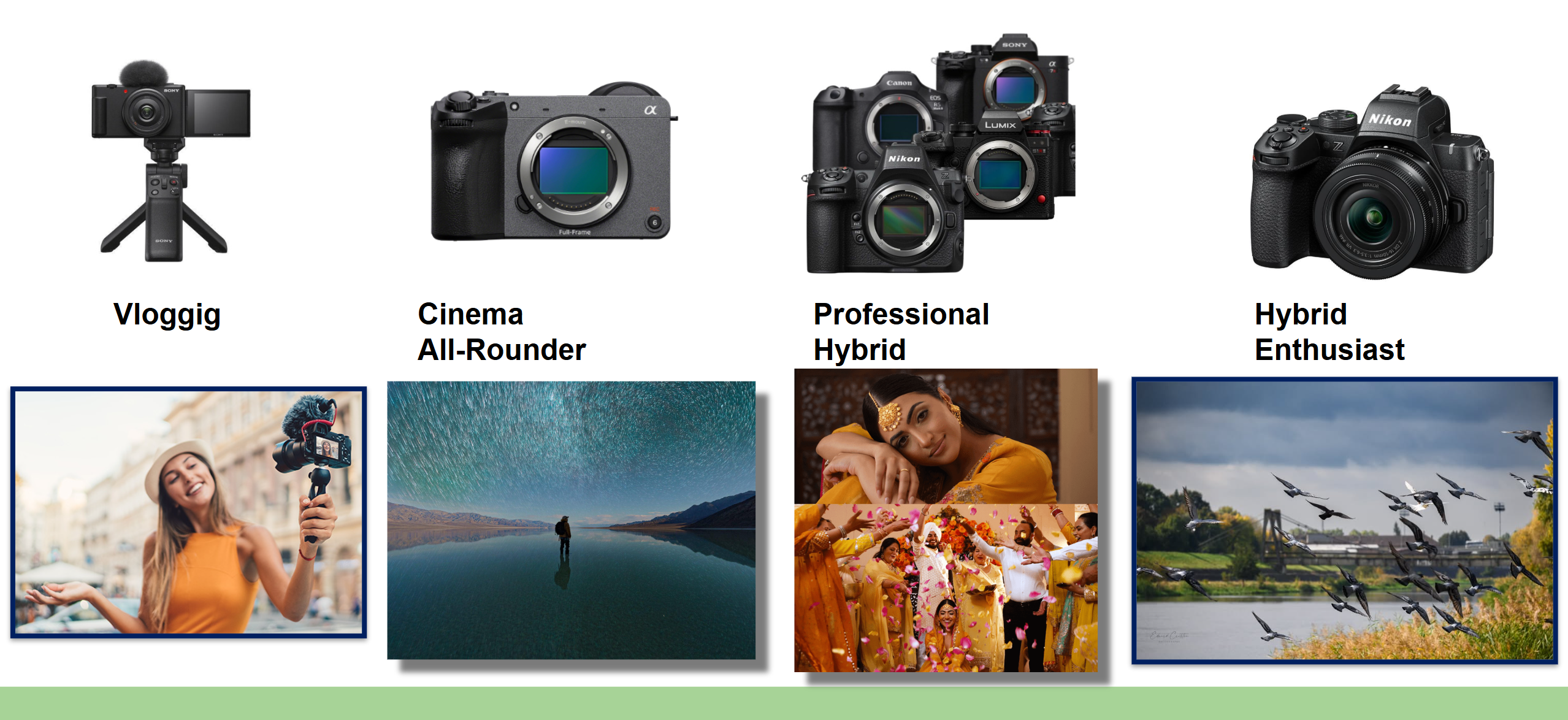
What Made This Change
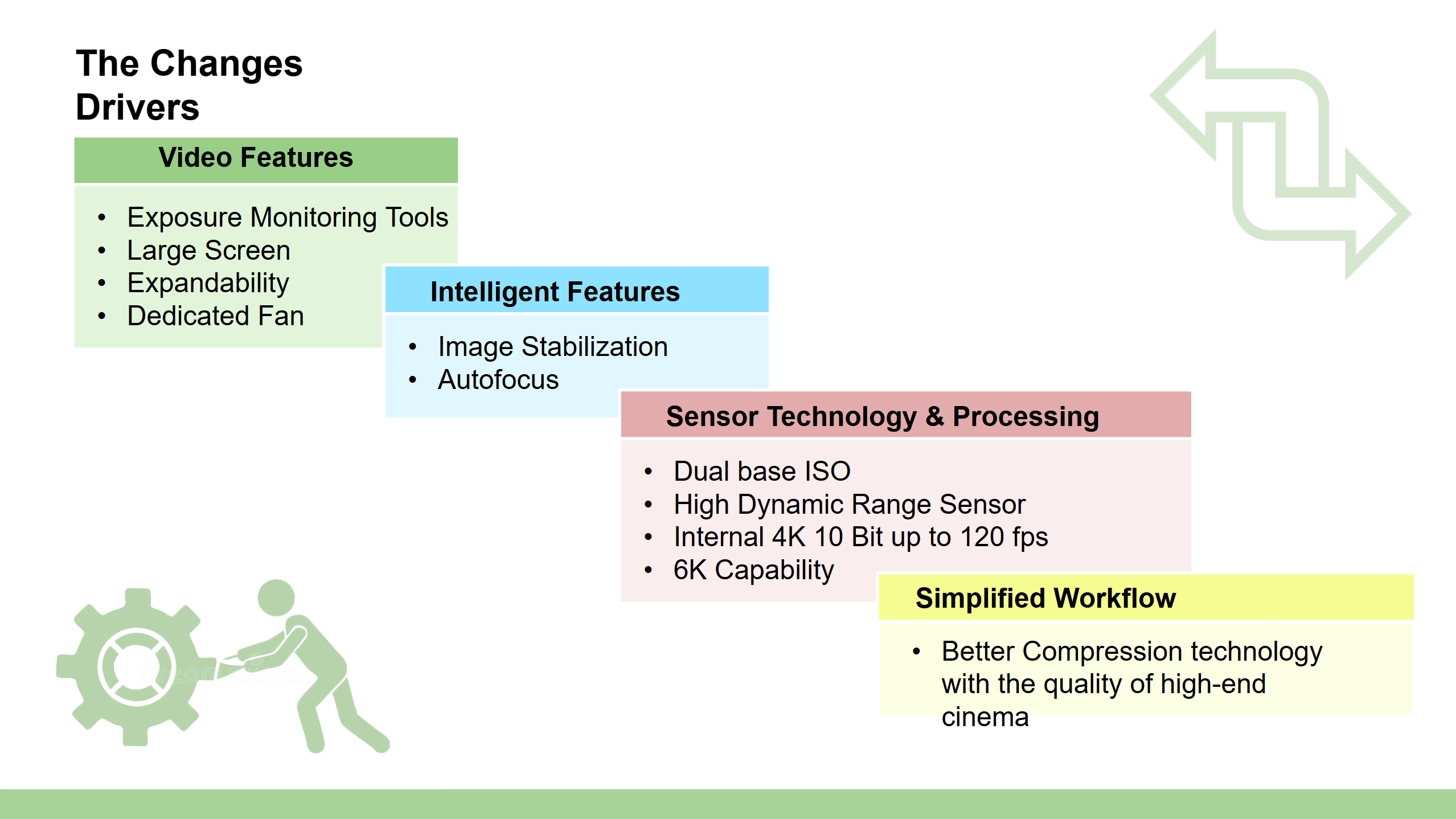
Several technological shifts worked together to make cinematic video more accessible.
These changes did not happen overnight. Improvements in video features, intelligent automation, sensor technology, and compression collectively reduced technical barriers while maintaining high image quality.
Modern cameras now balance performance and practicality — enabling creators to focus more on storytelling and less on technical limitations.
Knowledge Before and Beyond Gear
Before choosing any camera or system, cinematic production requires a foundation of understanding.
Lighting ratios and controlling the dynamic range of your scene are fundamental to great moving images
Understanding how to light and how to expose is essential
Cinematic tools require technical knowledge to extract their full potential
Cinematic tools reveal their full potential only when the user understands why a particular look is needed, not just how to enable it.
An understanding of color science allows creators to extract a cinematic look from almost any capable camera — whether before choosing gear or after acquiring it.
Getting Most Out of The Gears
Modern cameras simplify workflows while offering professional control:
Use of popular picture profiles to maintain consistency and simplify post-production
Exposure monitoring tools such as waveforms and false color for accuracy
Intelligent autofocus systems that reduce operational complexity
These features allow creators to focus on composition, movement, and emotion rather than constant technical corrections.
Progress as You Learn
As creators gain experience, their workflow naturally evolves.
Automation gives way to manual control
Understanding grows beyond presets to deliberate camera decisions
Control over exposure, focus, color, and contrast becomes intentional
With growth, the need for professional interfaces increases. This includes:
External monitors
Reliable power solutions
Secure mounting and connectivity
These tools support consistency, efficiency, and reliability — especially in demanding production environments.
Professional Interfaces and Expandability
Cinema gear must integrate with professional systems, including:
Professional batteries
External monitors
Video transmitters
Remote controls
Tripod heads, cranes, and Steadicams
This requires:
Power inputs that support a wide voltage range
Secure connectors that do not disconnect easily
SDI monitor outputs
Multiple 3/8″-18 mounting points with anti-rotation pins
Accessories commonly used include:
Lenses
Base plates
Handles
Matte boxes
Monitors
Wireless remote controls
Wireless video transmitters
Over-Rated Discussions
Some discussions often distract from what truly matters:
Camera and gear selection should be based on functionality, not hype
Consider time, cost of production, and commercial viability
Sufficient bit depth (generally at least 10-bit) is required for accurate color and tonal reproduction
Compression should preserve image information without smearing values
Exposure latitude, color rendition, high-bit or RAW recording, and reliability matter more than resolution
The 2K to 6K debate largely splits hairs and does not diminish dramatic impact
Sensor response and dynamic range are critical
A dynamic range of around 13 stops or more is desirable
Final Perspective
Modern cinematic tools can find faces, track movement, and record immense detail — but cinema itself remains an art of choices. Automation can simplify processes, yet true cinematic expression depends on understanding how much control to give the camera.
Cinematic video is not about owning the best gear — it is about thinking visually, planning deliberately, and using tools with intention.