
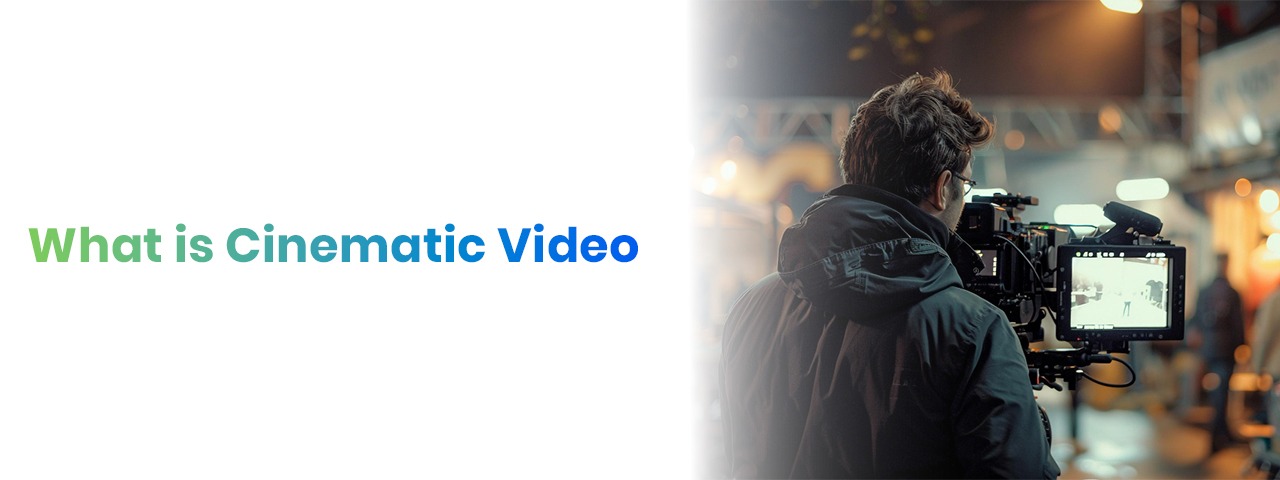
What is Cinematic Video
Cinematic video is not defined by a camera alone. It is the result of storytelling, visual choices, workflow decisions, and controlled use of gear. Modern technology has made cinematic tools accessible, affordable, and democratic — but cinema itself still begins much before the camera is turned on.
Cinematic video typically involves a combination of the following elements:
Creamy, shallow depth of field
Natural and pleasing skin tones
24 fps with a 180-degree shutter angle
Use of wide, mid, and close-up shots based on the story narrative
Dramatisation and romanticisation through music, lights, and colors
Cinematic quality comes from intentional visual storytelling, not presets or filters.
Options to Shoot Cinematic Before Mirrorless Cameras
Before mirrorless cameras made cinematic video accessible, there were limited options to achieve a cinematic look.
- High-Cost Cinema Cameras
Used by professional filmmakers and production houses.
These cameras were expensive, complex, and required skilled crews to operate.
- Shooting on 35mm Film
Used by film directors and traditional cinema productions.
It delivered true cinematic visuals but required high budgets, film stock, and processing.
- Camcorders
Commonly used for weddings, events, and broadcast work.
They were reliable and practical but not designed for cinematic depth and storytelling.
The Option to Shoot High-End Cinema Is Now Accessible
High-end cinematic video, once restricted to large productions, is now accessible to creators at different levels. Technology has reduced barriers, allowing more people to explore cinematic storytelling without prohibitive costs.
High-Cost Gear vs Small-Sensor Systems
Historically, cinematic video was associated with:
High-cost gear with large sensors
Shooting on actual 35mm film
Professional cinema systems
Examples include:
Red One
Cine Alta
At the same time, camcorders with very small sensors existed, but they lacked the cinematic look due to sensor limitations.
Cinematic Video: Accessible, Affordable, Democratised
Cinematic video became accessible when relatively affordable DSLRs introduced large sensors capable of producing film-like visuals. This shift encouraged:
Third-party lens manufacturers
Lighting manufacturers
Audio equipment creators
All of them expanded the ecosystem, making cinematic production possible for a wider audience.
Video Workflow: Decisions That Shape the Look
Before choosing a camera or gear, every cinematic video starts with a workflow decision:
Will you colour grade the footage, or
Will you use the image straight out of the camera?
What is the end device for your content? (mobile, YouTube, OTT, cinema screen)
How much time are you going to give to the creation of the video?
These decisions directly influence the camera, settings, and accessories you will need.
What Has Not Changed
Cinema actually happens outside the camera — the process begins with pencil and paper
Cinema is about telling a story, even in non-fiction formats
Technology cannot replace storytelling.
What Has Changed
Gear has been made accessible, affordable, and democratised
If you can think like a painter, the gear can act like a paintbrush, filling colors that harmonize with the storyline
The creative mindset now matters more than access to exclusive equipment.
Gear Needs: Broad-Level Understanding
Cinematic production requires understanding both creative and technical foundations before choosing specific tools.
Needs: Knowledge Before Gear
Lighting ratios and controlling the dynamic range of your scene are fundamental to great moving images
Understanding how to light and how to expose is essential
Cinematic tools require technical knowledge to extract their full potential
Gear: Camera Capabilities
With a 180-degree shutter angle, exposure is mainly controlled through aperture and ISO
Advanced exposure tools like waveforms and false color help achieve consistent results
A true cinema camera is designed to offer control over:
Color
Exposure
Focus
Depth
Contrast
Aperture
Recording formats
Professional Interfaces and Expandability
Cinema gear must integrate with professional systems, including:
Professional batteries
External monitors
Video transmitters
Remote controls
Tripod heads, cranes, and Steadicams
This requires:
Power inputs that support a wide voltage range
Secure connectors that do not disconnect easily
SDI monitor outputs
Multiple 3/8″-18 mounting points with anti-rotation pins
Accessories commonly used include:
Lenses
Base plates
Handles
Matte boxes
Monitors
Wireless remote controls
Wireless video transmitters
Over-Rated Discussions
Some discussions often distract from what truly matters:
Camera and gear selection should be based on functionality, not hype
Consider time, cost of production, and commercial viability
Sufficient bit depth (generally at least 10-bit) is required for accurate color and tonal reproduction
Compression should preserve image information without smearing values
Exposure latitude, color rendition, high-bit or RAW recording, and reliability matter more than resolution
The 2K to 6K debate largely splits hairs and does not diminish dramatic impact
Sensor response and dynamic range are critical
A dynamic range of around 13 stops or more is desirable
Final Perspective
Modern cinematic tools can find faces, track movement, and record immense detail — but cinema itself remains an art of choices. Automation can simplify processes, yet true cinematic expression depends on understanding how much control to give the camera.
Cinematic video is not about owning the best gear — it is about thinking visually, planning deliberately, and using tools with intention.