

CPU – The Brain of Your Laptop
The CPU is designed to handle a wide range of tasks. It works steadily and intelligently, using multiple cores to manage different complex operations at the same time.
- Has 4–32 cores that can work independently
- Handles multiple complex tasks at once
- Works on smaller sets of data but executes them extremely fast
- Can switch tasks instantly (conditional branching)
- CPU is generally faster than GPU for single small tasks

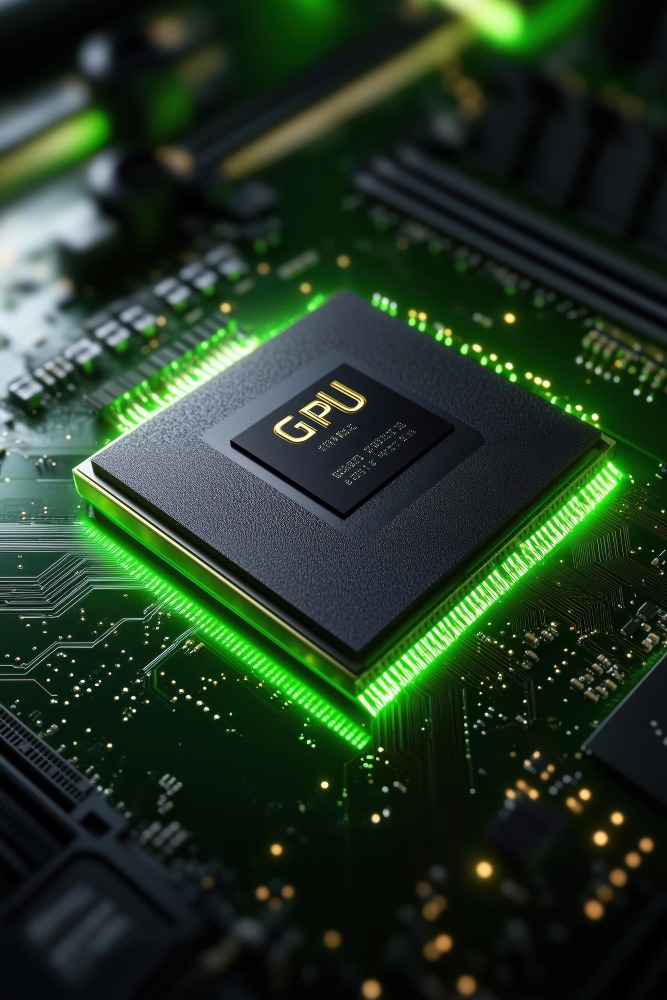
GPU – The Graphics Specialist
The GPU is built for one thing: speed with large visual data. It generates graphics, 3D visuals, and everything you see on screen—especially in gaming, animation, and editing.
- Optimized for huge amounts of data
- Renders 3D visuals, characters, and effects
- Works with the CPU to maintain smooth performance
- Ensures stutter-free visuals during gaming or editing

Finance Management
Optimize your financial operations with our intelligent suite of tools and comprehensive insights. Our system automatically generates detailed financial reports and forecasts, enabling proactive decision-making.

Employee Experience
Enhance workplace satisfaction through our comprehensive benefits and support system. Our platform provides seamless access to wellness programs and health resources.